
Tony Hawk didn’t just master the halfpipe he revolutionized an entire industry. The professional skateboarder built a financial empire reaching $140 million through strategic brilliance. His journey from San Diego, California competitions to global entrepreneurial success represents unprecedented achievement in extreme sports history.
From landing the legendary 900 trick to creating billion-dollar video game franchises, Hawk transformed athletic talent into generational wealth. This comprehensive analysis explores how Anthony Frank Hawk accumulated his massive net worth through business ventures, endorsements, and smart investments. His financial legacy offers valuable lessons for athletes seeking long-term prosperity beyond competition.
Tony Hawk Quick Facts
| Category | Details |
| Full Name | Anthony Frank Hawk |
| Date of Birth | May 12, 1968 |
| Age in 2026 | 57 years old |
| Birthplace | San Diego, California, USA |
| Current Residence | Encinitas, California |
| Nationality | American |
| Profession | Professional skateboarder, Entrepreneur, Philanthropist |
| Famous For | 900 trick, Tony Hawk Pro Skater video game franchise |
| First Wife | Cindy Dunbar (married April 1990, divorced 1993) |
| Current Spouse | Catherine Goodman (married 2015) |
| Children | 4 (Riley Hawk, Spencer, Keegan, Kadence) |
| Companies Owned | Birdhouse Skateboards, 900 Films, Hawk Clothing |
| Foundation | The Skatepark Project (formerly Tony Hawk Foundation) |
| Career Wins | 70 competitions victories |
| X Games Medals | 10 Gold X Games medals |
| Hall of Fame | Skateboarding Hall of Fame inductee |
| Net Worth 2026 | $140 million |
Physical Appearance
| Attribute | Measurement |
| Height | 6’3″ (1.91 m) |
| Weight | Approximately 170 lbs (77 kg) |
| Build | Athletic, lean |
| Hair Color | Brown |
| Eye Color | Blue |
What Is Tony Hawk Net Worth?
Tony Hawk’s net worth stands at an impressive $140 million in 2026 according to financial analysts tracking celebrity wealth accumulation. This staggering fortune places him among the highest-earning athletes who successfully transitioned from competitions to empire building. Unlike many professional skateboarder peers whose earnings plateau after retirement, Hawk’s trajectory skyrocketed when he stopped competing full-time.
The net worth figure represents diversified income streams including video game royalties, Birdhouse Skateboards ownership, real estate holdings, and brand endorsements. His Tony Hawk Pro Skater franchise generated over $1.4 billion in revenue through Activision partnerships. What separates Hawk from other wealthy action sports athletes is monetizing his name without relying solely on tournament prizes or appearance fees.
Early Life
Learn more:Cherry White Biography Age Husband Net Worth
Born in San Diego, California on May 12, 1968, Anthony Frank Hawk grew up as the youngest of four children. His father Frank worked as U.S. Navy serviceman before becoming salesman. Young Hawk exhibited exceptional intelligence but struggled with hyperactivity that made traditional education challenging for developing child.
At age nine, Tony received his first skateboard from older brother Steve a moment altering sports history forever. His father recognized skateboarding as perfect outlet for boundless energy. Frank Hawk became biggest supporter by building ramps in driveway and driving Tony to skateparks across Southern California region.
Career
Professional Skateboarding Beginnings
Tony Hawk’s professional skateboarding career launched in 1982 when he joined Bones Brigade team at just 14 years old. The Bones Brigade under Powell Peralta represented skateboarding’s elite during 1980s boom period. Hawk quickly distinguished himself through technical innovation rather than raw athleticism alone.
His signature vert skater style combined grace with death-defying aerial maneuvers audiences had never witnessed before. Throughout the 1980s, he dominated skateboarding competitions while simultaneously pushing extreme sports creative boundaries. His performances generated massive media attention and lucrative sponsorship opportunities from major action sports brands.
The Video Game Revolution
The 1999 release of “Tony Hawk Pro Skater” for PlayStation fundamentally transformed both skateboarding culture and wealth trajectory forever. Developed by Neversoft and published by Activision, this video game became cultural phenomenon introducing millions to skateboarding. The video game franchise generated over $1.4 billion in revenue across multiple sequels and platforms worldwide.
Hawk negotiated unprecedented royalty deal paying him percentage of game sales rather than flat licensing fee decision worth tens of millions. This sports gaming innovation established passive income streams continuing decades later. Recent remasters still generate substantial video game royalties adding to his massive $140 million fortune today.
Media Appearances and Cultural Impact
Beyond competition and gaming, Hawk built brand through strategic media appearances keeping him relevant across multiple generations. He appeared in countless films, television shows, and commercials reinforcing status as skateboarding’s ambassador to mainstream America. His cameos ranged from “The Simpsons” to Marvel movies creating compound marketing effects.
These media ventures didn’t just pay appearance fees they created exponential value boosting other business ventures significantly. The Boom Boom HuckJam touring show blended skateboarding with motocross and BMX. Each appearance added layers to cultural relevance transforming professional skateboarder into household name across demographics.
Competitive Achievements
Tony Hawk accumulated competitive achievements reading like fiction rather than actual extreme sports records. He won first National Skateboard Association championship at age 16 in 1984. Over his competitive career spanning approximately 12 years, Hawk claimed 70 competitions victories and multiple X Games medals including 10 Gold X Games medals total.
The crowning achievement came June 27, 1999, when Hawk landed skateboarding’s holy grail the 900 trick (two-and-a-half aerial rotations). After 11 failed attempts during X Games competition (originally called Extreme Games), the 31-year-old finally nailed it. This single moment generated global media coverage cementing legendary status beyond any championship trophy possibly could achieve.
Business Ventures
Birdhouse Skateboards
In 1992, when skateboarding faced darkest commercial period, Tony Hawk co-founded Birdhouse Skateboards with fellow professional skateboarder Per Welinder. This venture proved his business acumen extended beyond athletic performance on ramps. Birdhouse Skateboards survived skateboarding’s drought and thrived when extreme sports resurged during late 1990s.
The company produces skateboards, wheels, apparel, and accessories generating millions annually through Blitz distribution company partnerships. Hawk’s ownership stake in Birdhouse Skateboards represents significant component of overall net worth separate from personal endorsements. Smart business ventures like this separated him from competitors who relied solely on tournament prizes for income.
Tony Hawk Inc.
Tony Hawk Inc. serves as umbrella corporation managing diverse business interests and licensing deals across multiple industries. This corporate structure allows Hawk to negotiate deals, protect intellectual property, and maximize revenue from name and likeness. The company manages everything from video game royalties to merchandise licensing to appearance fees bookings efficiently.
Smart corporate structuring separates wealthy athletes from truly rich business people Hawk clearly belongs in latter category. His entrepreneurial success demonstrates understanding of asset protection and wealth maximization. Tony Hawk Inc. coordinates between Birdhouse Skateboards, 900 Films, Hawk Clothing, and other ventures creating synergistic value.
Skateboard Parks and Recreation Projects
The Tony Hawk Foundation (now The Skatepark Project) has funded over 600 public skateparks in underserved communities since 2002. While philanthropic in nature, these projects also serve strategic business purposes expanding skateboarding’s accessibility. More skateboarders globally means larger markets for Hawk’s products and greater cultural relevance for brand.
This virtuous cycle of giving back while simultaneously growing action sports demonstrates sophisticated long-term thinking. The foundation works with local governments building quality facilities where young people need safe recreational spaces. Dogtown Skateboards and other companies benefit from expanded participant base created through these charitable efforts.
Endorsements and Appearances
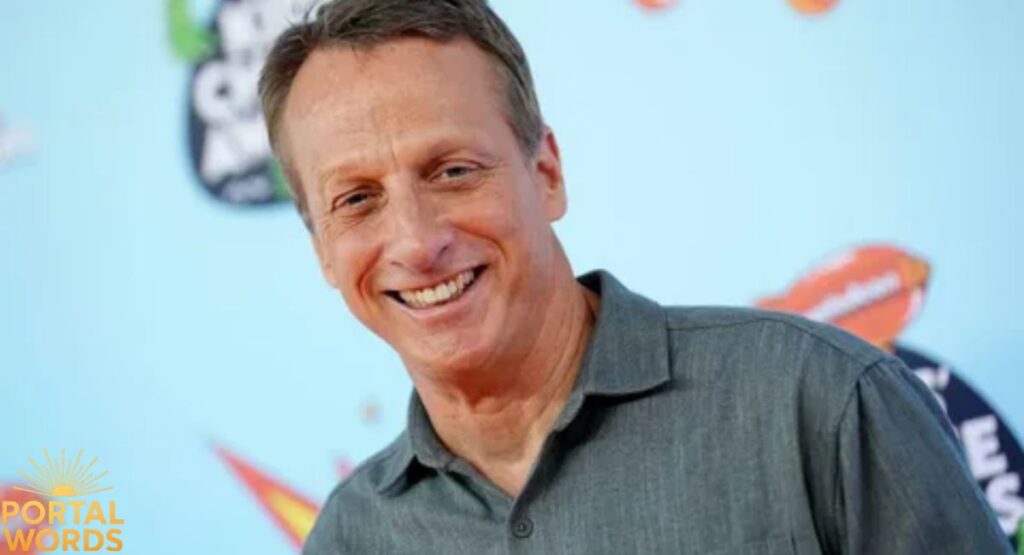
Tony Hawk’s endorsement portfolio reads like who’s who of major corporations seeking youth market credibility. Throughout career, he partnered with brands including Vans, Independent Trucks, Bones Wheels, Nixon watches, and countless others. These relationships generated millions in direct payments while providing equity stakes in some cases increasing overall net worth substantially.
His appearance fees for events, demonstrations, and speaking engagements command premium rates reflecting crossover appeal. Hawk speaks to corporate audiences about entrepreneurial success as effectively as performing demonstrations for skateboarding enthusiasts. A single corporate speaking engagement generates $100,000 or more depending on event scope. These brand endorsements continue even as Hawk approaches 57 years old in 2026.
Investments
Tony Hawk’s investment portfolio extends beyond skateboarding into technology startups, real estate, and emerging markets diversifying wealth strategically. He became early investor in companies like Nest Labs (acquired by Google for $3.2 billion) and DocuSign. These tech investments demonstrated venture capital instincts rivaling professional investors generating substantial returns.
His stake in Blue Bottle Coffee before its acquisition by Nestle reportedly generated significant profits. Real estate holdings across California represent another substantial component. Encinitas, California coastal property alone appreciates significantly over decades. Modern investment portfolio includes cannabis companies, NFT projects, and opportunities aligning with brand’s rebellious image.
Philanthropy
The Skatepark Project (formerly Tony Hawk Foundation) represents Hawk’s most significant philanthropic legacy since founding in 2002. The organization awarded over $10 million in grants helping communities build quality public skateparks in areas lacking facilities. This giving focuses specifically on low-income areas where young people need safe spaces for positive activities.
Beyond skateparks, Hawk supports numerous charitable causes including cancer research, children’s hospitals, and disaster relief efforts. His annual “Stand Up for Skateparks” benefit raised millions through comedy shows featuring celebrity participants. What distinguishes Hawk’s philanthropy is strategic focus on growing extreme sports rather than scattered donations across unrelated causes.
Personal Life
Tony Hawk’s personal life included four marriages and four children shaping priorities beyond business ventures and skateboarding. His current wife Catherine Goodman married him in 2015 after meeting through mutual friends. His first marriage to Cindy Dunbar in April 1990 ended in divorce 1993.
Hawk’s children Riley Hawk, Spencer, Keegan, and Kadence have been exposed to skateboarding though none pursued professionally. Riley Hawk became successful professional skateboarder following father’s footsteps but carved own path. Family appears increasingly important as Hawk enters late fifties balancing entrepreneurial success with personal relationships and health.
What Does Tony Hawk Do for a Living?
In 2026, Tony Hawk’s daily work looks nothing like traditional professional skateboarding despite that remaining core identity. He manages multiple business ventures through Tony Hawk Inc., reviews licensing opportunities, and makes strategic decisions about partnerships. Typical day includes board meetings for Birdhouse Skateboards, conference calls about new video game developments, and reviewing opportunities.
Hawk still participates in demonstration events and makes appearances at skateparks, competitions, and corporate functions. These activities serve dual purposes maintaining visibility while generating substantial appearance fees. He creates content for social media platforms and works on various media projects. Each activity contributes revenue streams collectively sustaining impressive $140 million fortune.
Tony Hawk’s Earnings Explained
Video Game Royalties
The Tony Hawk Pro Skater franchise generated over $1.4 billion in sales since 1999 across all platforms. Hawk negotiated royalty agreements paying percentages of game sales rather than flat licensing fees decision worth approximately $30-50 million. Even recent remasters continue generating substantial checks adding to wealth.
These video game royalties from Activision partnerships alone could constitute comfortable retirement fund separate from other income sources. The sports gaming success established him as pioneer in athlete-branded entertainment. Modern video game franchise iterations still leverage his name generating ongoing passive income decades after original release.
Skateboard Companies and Product Lines
Birdhouse Skateboards generates estimated annual revenue between $10-15 million with Hawk’s ownership stake providing substantial passive income. His signature products across multiple brands (shoes, wheels, trucks, protective gear) add millions through licensing deals. Unlike endorsements paying one-time fees, product royalties create annuity-like income continuing indefinitely.
Hawk Clothing line and other merchandise ventures distributed through Blitz distribution company expand income streams. His collaboration with Powell Peralta on legacy products maintains connection to skateboarding history. These business ventures prove more valuable long-term than any tournament prizes earned during competitive career years.
Real Estate and Investment Returns
Hawk’s real estate portfolio likely generates six-figure annual rental income from commercial properties while simultaneously appreciating. His tech investments produced outsized returns when companies like Nest Labs and Blue Bottle Coffee achieved successful exits. Conservative estimates suggest investment portfolio alone worth $30-40 million separate from business ventures interests.
These investments create wealth preservation and growth independent of skateboarding’s cultural relevance. Encinitas, California property values increased substantially over decades of ownership. Strategic investment portfolio diversification protects net worth from industry downturns. This financial sophistication distinguishes Hawk from athletes who earned more but saved less.
Appearance Fees and Speaking Engagements
Corporate speaking engagements pay Hawk between $50,000-$150,000 per event depending on audience size and prestige. Skateboarding demonstrations and competition appearances command similar fees plus expenses covering travel. If he does just 20-30 events annually, that generates $2-3 million in direct appearance fees alone.
This doesn’t account for smaller endorsement appearances and social media sponsored content adding hundreds of thousands more. The Boom Boom HuckJam touring show historically generated substantial income through ticket sales. His status as Skateboarding Hall of Fame inductee commands premium rates. These appearance fees supplement video game royalties and business ventures income creating diversified earnings.
Ongoing Endorsements and Partnerships
Current endorsements with major brand endorsements continue generating seven-figure annual payments even approaching 57 years old. His partnerships with Vans alone likely pay millions annually given relationship depth and product lines involved. Modern deals increasingly include equity components where Hawk receives ownership stakes rather than just cash.
This trend compounds wealth exponentially over time as partner companies grow. Brand endorsements evolved from simple logo placements to collaborative design partnerships. His influence on product development commands higher compensation while producing better items. These ongoing relationships prove entrepreneurial success extends beyond single action sports achievements.
Conclusion
Tony Hawk’s $140 million net worth in 2026 represents more than skateboarding success it’s masterclass in brand building. His wealth stems from strategic decisions to own business ventures, negotiate video game royalties, and invest wisely. The professional skateboarder transformed athletic talent into generational wealth through diversified income streams.
From landing the legendary 900 trick to founding Birdhouse Skateboards and The Skatepark Project, Hawk’s financial legacy inspires athletes worldwide. His journey from San Diego, California competitions to $1.4 billion video game franchise success proves entrepreneurial success beats prize money. Understanding Hawk’s wealth-building strategies offers valuable lessons for anyone seeking to monetize expertise beyond immediate earnings.
FAQ,S
What is Tony Hawk’s net worth in 2026?
Tony Hawk’s net worth stands at $140 million in 2026. His wealth comes from video game royalties, Birdhouse Skateboards ownership, brand endorsements, and strategic investments accumulated over decades.
How much did Tony Hawk earn from video games?
Tony Hawk earned approximately $30-50 million from Tony Hawk Pro Skater franchise through Activision royalty deals. The video game series generated over $1.4 billion total revenue.
Does Tony Hawk still compete in skateboarding?
No, Tony Hawk retired from professional skateboarding competitions but still skates at 57 years old. He performs demonstrations at skateparks and focuses on business ventures instead.
What companies does Tony Hawk currently own?
Tony Hawk owns Birdhouse Skateboards, 900 Films, and Hawk Clothing. Tony Hawk Inc. manages his licensing deals. These business ventures generate millions through Blitz distribution company partnerships annually.
How does Tony Hawk make money today?
Tony Hawk earns through video game royalties, business ventures, brand endorsements, appearance fees, real estate investments, and The Skatepark Project fundraising. His diversified investment portfolio ensures continuous income.

Leave a Reply