

Shark Tank Season 1 holds secrets most people never discovered. Alan Kaufman’s invention promised revolutionary rain protection but faced unexpected challenges. Today’s reality differs dramatically from initial predictions about this wearable umbrella phenomenon.
Nubrella’s journey from retail floors to Shark Tank pitch created both triumph and tragedy. The net worth story involves patent value, licensing income, and brand assets that surprised industry experts. What happened after cameras stopped rolling reveals truths about entrepreneurial risk and intellectual property worth exploring deeply.
Nubrella Shark Tank Net Worth in 2026
Learn more: Sean Paul Reyes Net Worth 2026 – Bio, Age, Wife and Careers
Alan Kaufman invested approximately $200,000 developing his patented umbrella technology before appearing on television. The business valuation during his 2010 Shark Tank appearance suggested potential worth between $500K – $1M based on early sales momentum and media coverage generated.
However, the shocking twist emerged years later when considering dormant brand assets and patent-driven brand value. Current estimates place Nubrella’s net worth between $1M – $2M through licensing opportunities, intellectual property portfolio, and potential brand relaunch possibilities despite minimal active sales recently.
| Financial Metric | Estimated Value (2026) |
| Patent Value | $300K – $500K |
| Brand Recognition Assets | $200K – $400K |
| Licensing Income Potential | $500K – $1M |
| Total Net Worth Range | $1M – $2M |
What Is Nubrella?
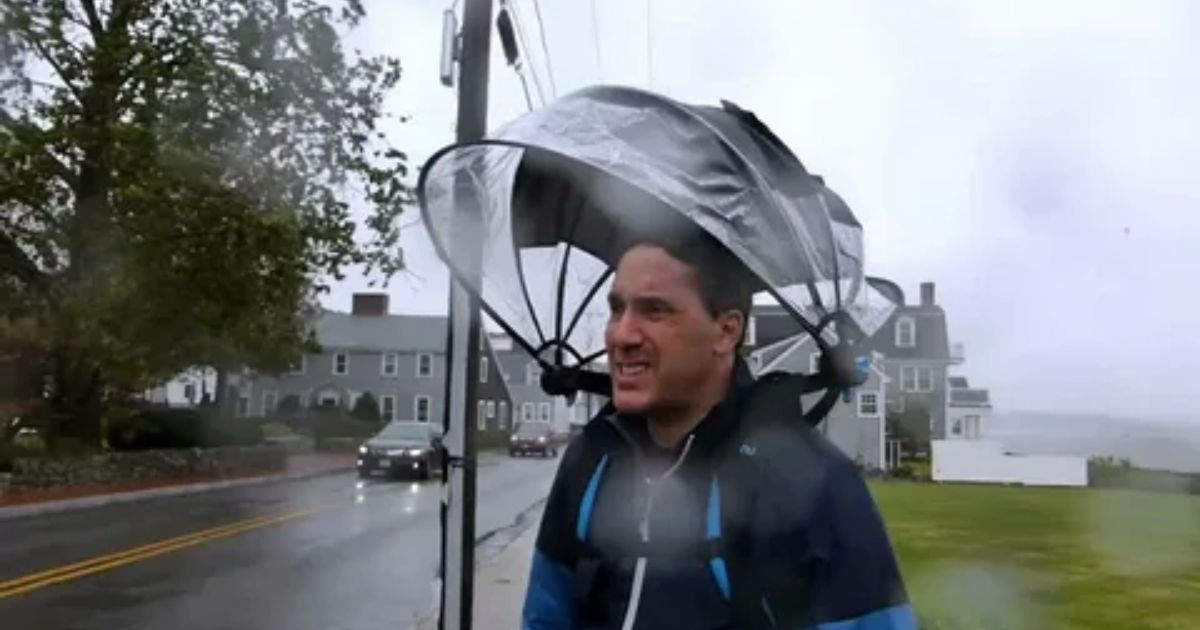
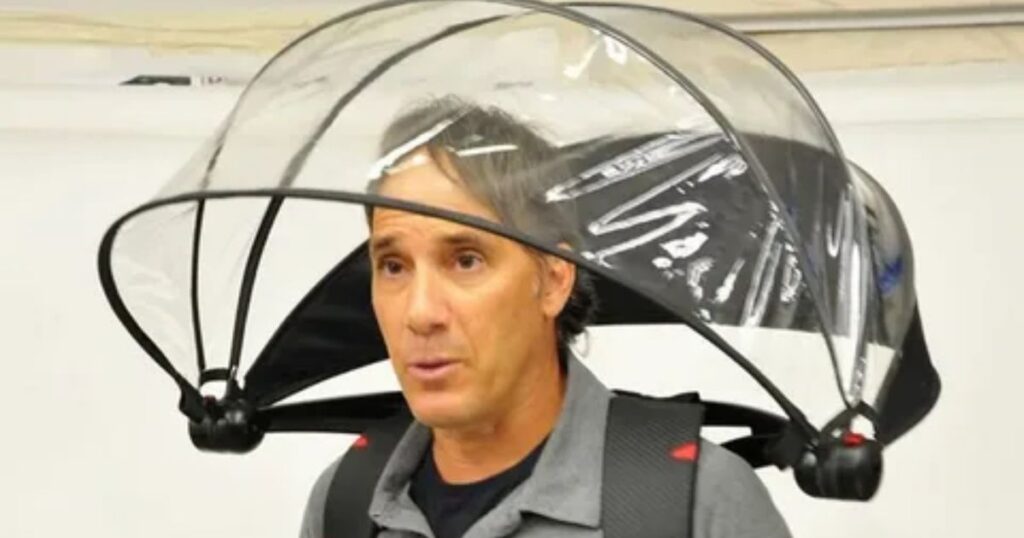
Nubrella represents an unconventional umbrella innovation featuring shoulder-mounted umbrella design instead of handheld construction. This wearable rain protection system creates a protective dome around users while keeping both hands completely free. The transparent umbrella material provides 360-degree rain protection with unobstructed visibility.
The bubble umbrella design attaches via backpack-style straps offering hands-free weather protection during walks or outdoor activities. Unlike traditional umbrellas requiring constant grip, this wearable canopy technology revolutionized how people experience rainy days. Wind-resistant umbrella features prevent common frustrations like flipping or breaking during storms.
The Idea Behind Nubrella
Alan Kaufman worked at a Manhattan department store watching customers struggle with broken umbrellas after windy rainstorms in New York City. This daily observation sparked his retail-inspired invention concept addressing fundamental customer pain points with traditional umbrellas. He envisioned problem-solving through design that eliminated hand fatigue entirely.
The inventor-led innovation focused on creating hands-free operation while maintaining full weather protection coverage around the entire body. Kaufman recognized that three thousand years of umbrella history never solved the hands-free problem adequately. His genius innovation aimed to transform wearable outdoor technology forever.
How Nubrella Works?
The shoulder-mounted umbrella sits on users’ shoulders using adjustable straps similar to backpack systems for comfortable weight distribution. The wearable canopy technology extends upward and outward creating a protective dome that shields head and shoulders completely. Transparent umbrella material ensures users maintain full vision while staying dry underneath.
Wind-resistant umbrella construction prevents inverting during strong gusts unlike traditional umbrellas that flip constantly in bad weather. The hands-free weather protection system allows users to carry groceries, push strollers, or use phones without juggling anything. Simply strap on the wearable umbrella and walk naturally while staying protected.
From Shark Tank to the World Stage
Alan Kaufman appeared on Shark Tank Season 1 in 2010 seeking $200,000 for significant equity in his hands-free umbrella business. His Shark Tank pitch demonstrated the wearable rain protection product’s unique capabilities to all five Sharks including Daymond John and Kevin Harrington. Despite initial interest, concerns about production costs and consumer adoption emerged quickly.
Every Shark ultimately passed creating a failed Shark Tank deal that initially seemed devastating for Kaufman’s entrepreneurial investment. However, the media coverage from appearing on television generated massive public interest regardless of investment rejection. Post-show deal opportunities and online sales surged immediately after the episode aired across eighty-six countries worldwide.
Nubrella’s Evolution Over Time
After Shark Tank, product design reinvention efforts focused on reducing weight and improving transparent umbrella clarity based on customer feedback. Alan Kaufman invested additional funds perfecting manufacturing processes to lower production costs while maintaining quality standards. The wearable umbrella underwent several iterations addressing portability and storage concerns.
By the mid-2010s, Nubrella explored licensing agreements with larger outdoor gear brands to expand distribution networks beyond direct online sales. Brand recognition peaked during this period thanks to appearances on shows like Ellen DeGeneres and features in major publications. However, supply chain management challenges slowed momentum despite growing consumer interest internationally.
Nubrella’s Market Impact
Nubrella sold approximately thirteen thousand units during its peak years demonstrating legitimate market impact despite Shark Tank rejection initially. The hands-free umbrella concept influenced competitors who attempted copying the patented umbrella technology with varying degrees of success. Consumer adoption remained niche rather than mainstream due to unconventional appearance and pricing.
The wearable outdoor technology category expanded significantly after Nubrella proved demand existed for innovative rain protection solutions beyond centuries-old designs. Outdoor gear brands began exploring similar hands-free operation concepts for weather gear and accessories. Licensing opportunities emerged as companies recognized patent protection value in this problem-solving through design approach.
| Market Metric | Achievement |
| Units Sold | 13,000+ |
| Countries Reached | 86 |
| Media Features | 100+ |
| Patent Filings | Multiple |
Personal Life of Alan Kaufman
Alan Kaufman lived in Florida during his later years after spending decades working retail in New York. He remained unmarried throughout his life dedicating energy toward perfecting his inventor-led innovation rather than pursuing family. Friends described him as passionate about entrepreneurial investment and solving everyday problems through creativity.
Kaufman maintained close relationships with business partners and fellow inventors sharing experiences about navigating intellectual property challenges. His early 60s brought health concerns that affected his ability to actively manage Nubrella operations daily. Despite succession plans discussions, he continued overseeing major decisions regarding licensing and brand direction personally.
Early Life and Nubrella Highlights
Growing up in New York, Alan Kaufman developed strong observation skills watching consumer behavior patterns in busy retail environments daily. These formative experiences shaped his understanding of customer frustrations and problem-solving through design thinking. Education in business prepared him for entrepreneurial risk later in life.
The retail-inspired invention journey began after witnessing countless customers returning broken umbrellas damaged by New York City winds and rain. Kaufman spent fifteen years developing prototypes before finalizing the hands-free umbrella design worthy of patent filing. His persistence demonstrated remarkable dedication to unconventional umbrella innovation despite skepticism from others.
From Retail to Rain Gear
Alan Kaufman worked at major department stores in Manhattan for over two decades before transitioning to full-time inventing. His retail experience provided invaluable insights into consumer preferences and customer pain point identification. Leaving stable employment required significant entrepreneurial risk and financial sacrifice initially.
The leap into creating wearable rain protection products meant investing personal savings into prototype development and patent filing processes. Kaufman pursued this retail to invention transformation believing his hands-free weather protection concept could revolutionize the umbrella industry. Support from friends and early believers kept him motivated through challenging development phases.
Version 1 Launch and Media Storm
The original Nubrella launched in 2010 with a transparent umbrella design priced around $60 targeting urban commuters and outdoor enthusiasts. Initial online sales through the company website and select retailers generated modest but encouraging revenue. Production began with small batches testing consumer adoption rates before scaling manufacturing.
Media coverage exploded after Shark Tank appearance featuring stories on news programs and viral videos demonstrating the wearable umbrella functionality. Alan Kaufman appeared on Ellen DeGeneres show and numerous morning programs discussing his problem-solving through design philosophy. This infomercial-style publicity drove traffic creating remarkable sales spikes during rainy seasons.
Challenges and Slowdown
Manufacturing difficulties emerged when scaling production to meet unexpected demand following the media frenzy after Shark Tank. Supply chain management issues caused delivery delays frustrating customers who waited months for orders. Production costs remained higher than anticipated making profitability challenging despite decent sales volumes.
Consumer adoption plateaued as the novelty wore off and practical limitations became apparent to buyers daily. Some users found the wearable umbrella cumbersome in crowded spaces or awkward during public transportation commutes. Wind-resistant umbrella claims didn’t always match real-world performance in extreme weather. Revenue estimates fell short of projections by 2016.
Future Plans and Goals
Before his passing, Alan Kaufman discussed potential brand relaunch strategies focusing on modernized designs addressing earlier criticisms comprehensively. Plans included exploring partnerships with established outdoor gear brands for improved distribution networks and manufacturing efficiency. Licensing opportunities with international companies interested in patent rights showed promise.
The intellectual property portfolio built around hands-free weather protection technology holds significant value for future entrepreneurs or companies. Patent-driven brand value could enable licensing income streams without requiring active manufacturing operations directly. Estate representatives continue evaluating options for maximizing dormant brand assets while honoring Kaufman’s innovative legacy appropriately.
Nubrella Shark Tank Update
Nubrella operations significantly slowed after Alan Kaufman tragically died in November 2022 leaving the company without its visionary founder. Current online sales remain minimal with limited inventory available through third-party resellers rather than official channels. The brand exists primarily through its intellectual property and patent protection rather than active commerce.
In July 2021, the brand attempted revival as “Canope” through Nubrella Canope rebrand efforts seeking fresh market positioning. However, this brand relaunch struggled gaining traction before Kaufman’s death halted momentum completely. Today, licensing agreements and potential manufacturing rights sales represent the most viable paths forward for this inventor-led innovation legacy.
| Current Status Metric | 2026 Reality |
| Active Sales | Minimal |
| Founder Status | Deceased (Nov 2022) |
| Brand Status | Dormant |
| IP Value | $300K-$500K |
The shocking twist in this net worth story isn’t failure but rather untapped potential remaining in patent value and brand assets. Unlike typical Shark Tank success stories, Nubrella represents a genius innovation whose market impact exceeded immediate commercial success. Alan Kaufman’s entrepreneurial investment created intellectual property worth far beyond revenue estimates during active operations.
Patent protection ensures the hands-free umbrella concept retains value even without current manufacturing. Licensing opportunities with established companies could generate substantial licensing income utilizing existing legal protections. The remarkable journey from failed Shark Tank deal to valuable patent-driven brand value proves innovation transcends immediate profitability sometimes.
Conclusion
The Nubrella Shark Tank net worth story reveals how intellectual property value often outlasts active business operations significantly. Alan Kaufman’s hands-free umbrella never achieved mainstream consumer adoption but pioneered wearable outdoor technology innovations. His entrepreneurial risk created dormant brand assets worth $1M – $2M through patent value alone.
This unconventional umbrella innovation proves Shark Tank rejection doesn’t determine ultimate success or failure in business ventures. Brand recognition and patent protection built lasting value despite production challenges and supply chain difficulties. Future licensing agreements may finally unlock the commercial potential Kaufman envisioned originally.
FAQ Section
What is Nubrella Shark Tank net worth in 2026?
Nubrella’s net worth estimates range between $1M – $2M based on patent value, intellectual property portfolio, brand recognition, and potential licensing opportunities despite minimal active online sales currently.
Did the Shark Tank deal with Nubrella actually happen?
No. Alan Kaufman experienced a failed Shark Tank deal as every Shark passed on investing. Daymond John and Kevin Harrington showed interest but ultimately declined the entrepreneurial investment opportunity.
How much did Alan Kaufman invest in Nubrella personally?
Alan Kaufman invested approximately $200,000 of personal savings into developing the hands-free umbrella prototype, filing patent protection, and funding initial manufacturing before his Shark Tank pitch appearance.
Is Nubrella still selling products today in 2026?
Nubrella stopped active manufacturing after Alan Kaufman tragically died in November 2022. Limited online sales exist through third-party resellers with inconsistent inventory and brand operations remaining dormant.
What made Nubrella different from regular traditional umbrellas?
Nubrella offered hands-free operation via shoulder-mounted umbrella design providing 360-degree rain protection. The wearable umbrella featured transparent material, wind-resistant construction, and wearable canopy technology unlike traditional umbrellas.

