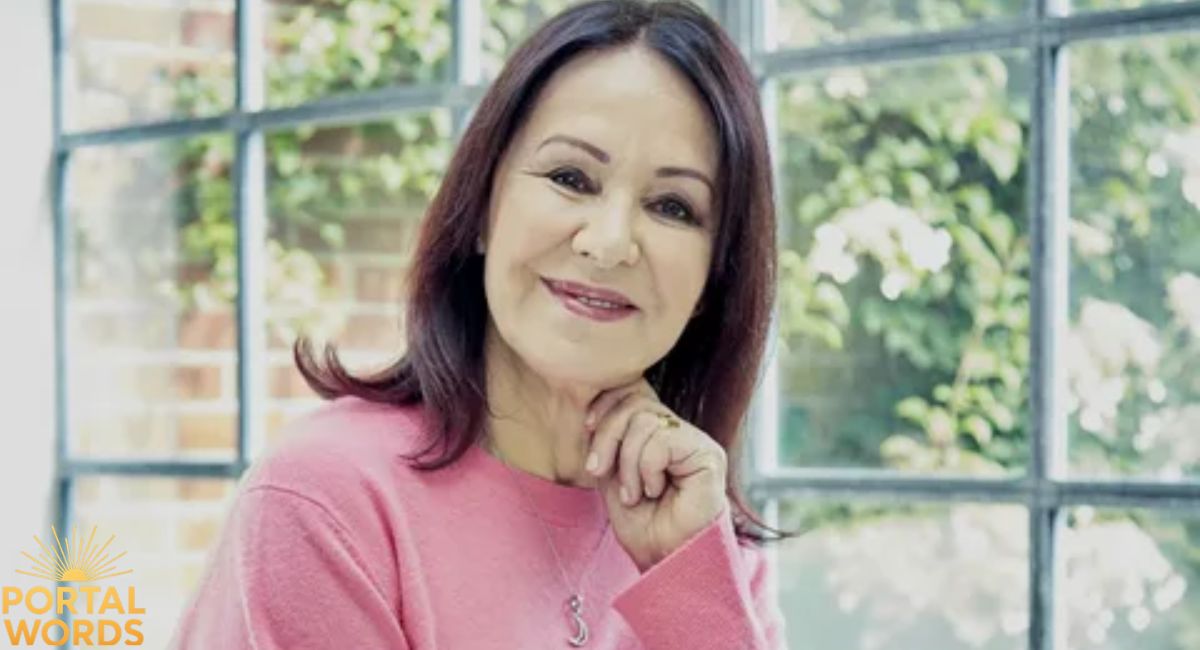
Behind every extraordinary woman stands another whose story deserves telling. Lisa Bonet became a cultural icon through her role as Denise Huxtable on The Cosby Show. Yet her mother, Arlene Litman, remained the quiet force shaping everything.
Arlene Litman’s legacy extends far beyond motherhood into realms of education, cultural identity and revolutionary love without boundaries. This Jewish-American educator broke barriers during the 1960s through her interracial marriage and single mother journey. Her story illuminates how quiet influence creates ripples across generations.
Arlene Litman Quick Facts
| Fact | Details |
| Full Name | Arlene Joyce Litman |
| Birth | Early 1940s, Pittsburgh, Pennsylvania |
| Parents | Eli Litman and Sylvia Litman |
| Ethnicity | Ashkenazi Jewish |
| Profession | Music teacher, Educator |
| Partner | Allen Bonet (African-American opera singer) |
| Children | Lisa Bonet (born Lisa Michelle Bonet) |
| Grandchildren | Zoë Kravitz, Lola Iolani Momoa, Nakoa-Wolf Manakauapo Namakaeha Momoa |
| Death | 1998 (age 58) |
| Known For | Teaching career, multicultural family, quiet influence on Lisa Bonet |
| Legacy | Education as empowerment, resilience in motherhood, cultural awareness |
Arlene Litman lived a life rich with purpose beyond what numbers reveal. Her Jewish faith, dedication to music instruction, and unwavering commitment to creativity shaped multiple generations. These facts merely sketch the outline of a woman whose influence transformed Hollywood through her daughter.
Early Life
Arlene Litman was born in early 1940s in Pittsburgh, Pennsylvania to Eli Litman and Sylvia Litman. Growing up in a tight-knit Jewish-American community during World War II’s aftermath shaped her worldview profoundly. Her Ashkenazi Jewish roots instilled values of education, perseverance, and faith.
The 1950s and 1960s brought transformative social changes as Arlene came of age. Her parents emphasized intellectual curiosity and cultural heritage preservation. These early experiences planted seeds of independence that would later define her unconventional choices. She learned resilience young, watching immigrant families rebuild lives through determination.
Education and Teaching Career
Arlene Litman pursued music education with passionate dedication that defined her professional identity. She believed music instruction served as a universal language transcending cultural barriers and building bridges between communities. Her training emphasized creativity and self-expression as fundamental rights for every child.
Her teaching career flourished primarily in Los Angeles area schools, especially Reseda and the San Fernando Valley. Arlene became known for fostering artistic expression while maintaining disciplined excellence. Students remembered her empathy and ability to recognize potential others missed. She viewed education as empowerment, transforming classrooms into spaces where differences became strengths.
Meeting Allen Bonet: Two Worlds Collide
Arlene Litman met Allen Bonet, an African-American opera singer, during Los Angeles’ vibrant arts scene of the 1960s. Their connection through music created common ground despite society’s harsh judgment of interracial relationships. This was before Loving v. Virginia made such unions legally protected nationwide.
Their love without boundaries challenged conventions when multicultural families faced severe cultural resistance from both communities. Arlene and Allen chose authenticity over conformity despite facing ostracism. Their shared passion for artistic expression and creativity built a foundation stronger than prejudice. Together they created space where art mattered more than skin color.
Motherhood and Life in Los Angeles
Lisa Michelle Bonet arrived November 16, 1967, bringing joy into Arlene Litman’s world during tumultuous times. Raising a mixed-race daughter in late 1960s Los Angeles required intentionality about cultural heritage and identity formation. Arlene created a home rich with music, art, and diverse cultural awareness.
Balancing her teaching career with motherhood demanded extraordinary energy and organizational skills. Arlene exposed Lisa to both Jewish traditions and African-American cultural experiences equally. The Los Angeles creative community became extended family. She nurtured Lisa’s artistic talents from childhood, recognizing star potential while keeping her grounded.
A Single Mother’s Journey in a Changing America
Arlene Litman and Allen Bonet eventually divorced, transforming her into a single mother navigating 1970s economic challenges. Supporting Lisa financially while maintaining her educator position required relentless perseverance. Limited support systems for solo parents made every day a test of resilience.
The 1970s brought shifting social landscapes but single motherhood still carried stigma and practical hardships. Arlene refused to speak negatively about Allen despite their separation. She taught Lisa strength through example rather than lecture. Building a village of support around themselves, mother and daughter forged unbreakable bonds during these formative years.
Influence on Lisa Bonet’s Life and Career
Learn more:Wesley Bryan Net Worth in 2026: Career Earnings
Arlene Litman supported Lisa Bonet’s entry into acting and modeling during childhood with protective guidance. Navigating Hollywood’s challenging landscape required balancing opportunity against exploitation risks. When The Cosby Show audition came, Arlene helped Lisa prepare while teaching authenticity over conformity.
Lisa’s unconventional career choices reflected her mother’s values about self-expression and maintaining integrity. Arlene’s emphasis on education and cultural identity gave Lisa confidence to reject limiting stereotypes. The actress later credited her mother’s quiet influence in interviews. Every bold decision Lisa made echoed lessons Arlene taught without preaching.
Cultural Heritage and Identity
Arlene Litman remained committed to honoring Jewish traditions while celebrating Lisa’s complete multicultural identity. She taught her daughter about Ashkenazi Jewish roots with pride and detailed storytelling. Rather than forcing choices, Arlene created synthesis where both cultural heritages coexisted beautifully.
Religious practices and cultural celebrations maintained in their home gave Lisa fluency across multiple worlds. Arlene modeled that identity isn’t either/or but wonderfully complex and rich. She prepared Lisa to navigate spaces where she’d be perceived differently. This gift of cultural awareness became Lisa’s superpower in Hollywood and beyond.
Later Years and Passing
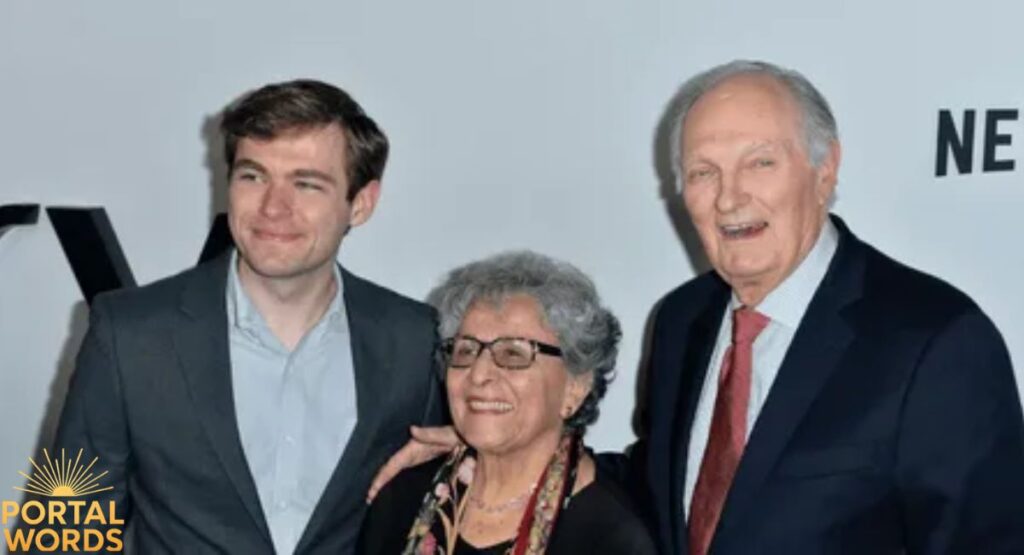
Arlene Litman watched with pride as Lisa achieved stardom while maintaining authenticity rare in entertainment industry. Their close relationship continued despite fame’s demands. Becoming grandmother to Zoë Kravitz in 1988 brought immense joy. She delighted in watching the next generation bloom.
Health challenges emerged during her later years, culminating in Arlene Litman’s death in 1998 at age 58. The loss devastated Lisa Bonet profoundly, removing her anchor and greatest champion. Lisa honored her mother’s memory privately, respecting family boundaries. The hole left by someone who shaped everything remained forever unfillable.
Legacy: The Power of Quiet Influence
Arlene Litman’s legacy extends beyond fame into changed lives and transmitted values across three generations. Her influence manifests in Lisa Bonet’s parenting choices and career decisions prioritizing authenticity. Zoë Kravitz, Lola, and Nakoa-Wolf carry forward values their grandmother instilled before they were born.
The educator’s ultimate success shows in students who become teachers themselves through example. Arlene measured impact in transformed lives rather than headlines or recognition. Her story matters beyond celebrity connection. She represents countless mothers navigating similar challenges with grace. Quiet influence built through daily dedication changes worlds more than grand gestures.
Thematic Lessons from Her Life
Arlene Litman’s journey offers universal wisdom applicable far beyond her specific circumstances in 1960s and 1970s America. Her choices about love, education, faith, and motherhood created blueprint for authentic living. These lessons resonate powerfully today.
Modern families still grapple with cultural identity, single motherhood, and choosing love without boundaries despite opposition. Arlene’s example proves that perseverance combined with empathy creates lasting change. Her life demonstrates how quiet influence through dedicated teaching and parenting transforms futures.
1. Education as Empowerment
Arlene Litman dedicated herself to teaching as transformative work that unlocked human potential regardless of background. She believed education created pathways to opportunity otherwise blocked by circumstance. Her music instruction went beyond notes to build confidence and creativity.
Teaching Lisa that knowledge creates freedom became foundational to the Bonet family philosophy across generations. Arlene’s teaching career impacted communities far beyond her immediate family. Modern applications prove investing in education still changes trajectories. This lesson remains urgent as educational inequities persist.
2. Resilience in Motherhood
Single parenting challenges Arlene faced head-on without complaint or victimhood shaped her character profoundly. Being both mother and father required strength that appeared effortless but cost everything. She modeled perseverance through action rather than words.
Finding resources and building support systems demonstrated resilience Lisa later replicated in her own parenting. Contemporary mothers find inspiration in Arlene’s example. Her refusal to let circumstances limit possibilities taught lessons no classroom could. Motherhood’s challenges became opportunities for growth and deeper connection.
3. Faith and Identity
Maintaining Jewish identity and practices while honoring Allen’s African-American cultural heritage required intentional effort and cultural awareness. Arlene taught Lisa to embrace complex cultural roots as source of strength rather than confusion. Faith anchored them during turbulent times.
Identity became celebration rather than burden under Arlene’s guidance. She resisted assimilation pressures while teaching Lisa pride in all her ancestry. Lessons for multiracial families navigating identity today mirror challenges Arlene faced decades earlier. Her courage normalizing complexity opened doors for generations.
4. Love Without Boundaries
Choosing love across racial lines when it cost everything demonstrated Arlene’s revolutionary spirit beneath quiet exterior. Her relationship with Allen Bonet challenged 1960s norms about interracial marriage before Loving v. Virginia protected such unions. She taught Lisa that authentic connection transcends social construction.
This quiet influence shaped Lisa’s own relationship choices throughout life, including partnerships with Lenny Kravitz and Jason Momoa. Arlene modeled that love requires courage worth mustering. Society still grapples with race, making her example continuously relevant. Her rebellion normalized what seemed impossible.
A Family Tree of Creativity
Arlene Litman’s artistic sensibility through music education combined with Allen Bonet’s opera career created foundation for multigenerational creativity. Lisa Bonet’s acting and bohemian aesthetic flourished in this environment. Zoë Kravitz emerged as multifaceted artist through acting, music, and modeling.
Lenny Kravitz’s musical genius and Zoë’s boundary-pushing artistry trace back to Arlene’s emphasis on artistic expression. She cultivated environment valuing creativity over conventional success. Supporting unconventional paths rather than safe choices became family tradition. Three generations prove that nurturing creativity multiplies across time exponentially.
| Family Member | Relationship | Artistic Field | Notable Work |
| Arlene Litman | Matriarch | Music education | Teaching in Los Angeles schools |
| Allen Bonet | Partner | Opera singer | Professional performances |
| Lisa Bonet | Daughter | Actress | The Cosby Show, A Different World |
| Lenny Kravitz | Son-in-law | Musician | Multiple Grammy Awards |
| Zoë Kravitz | Granddaughter | Actress/Musician | Big Little Lies, The Batman |
Remembering Arlene Litman
Arlene Litman’s story deserves more attention than it receives in narratives dominated by celebrity offspring. She represents countless women who shaped history quietly without seeking spotlight or recognition. Lisa Bonet keeps her mother’s memory alive through values practiced daily.
Zoë Kravitz carries forward her grandmother’s principles despite never meeting her. Public recognition grows for someone who shunned fame entirely. What we learn from Arlene today addresses contemporary conversations about race, identity, and motherhood. Her life reminds us that legacy isn’t about fame.
Conclusion
Arlene Litman’s journey from Jewish music teacher in Pittsburgh to mother of an icon demonstrates quiet influence’s transformative power. Her choices about love, education, resilience, and cultural heritage created ripples extending far beyond what she imagined. Lisa Bonet’s mother represents unsung heroes changing everything through daily dedication.
Lessons embedded in her story courage, education as empowerment, resilience in motherhood, love without boundaries remain urgently relevant. Honor the quiet influencers in your own life. Legacy lives in values transmitted and love given freely. Share stories of influential mothers who shaped you. Arlene Litman proves that greatest impacts often come from those seeking no recognition.
Frequently Asked Questions
Who was Arlene Litman?
Arlene Litman was Lisa Bonet’s mother, a Jewish-American music teacher born in 1940s Pittsburgh. She died in 1998, leaving a legacy of quiet influence and cultural awareness.
What was Arlene Litman’s profession?
Arlene Litman worked as a dedicated music teacher and educator in Los Angeles schools, particularly Reseda and San Fernando Valley, fostering creativity and artistic expression.
Where was Arlene Litman born?
Arlene Litman was born in early 1940s in Pittsburgh, Pennsylvania, USA. She grew up in a Jewish-American community that shaped her values and cultural heritage.
How did Arlene Litman influence Lisa Bonet?
Arlene taught Lisa about authenticity, multicultural identity, and resilience. As a single mother, she modeled perseverance, education as empowerment, and embracing cultural complexity with pride.
Who were Arlene Litman’s parents?
Arlene Litman’s parents were Eli Litman and Sylvia Litman. They raised her in Pittsburgh with strong Ashkenazi Jewish traditions, emphasizing education, faith, and cultural heritage.

Leave a Reply